Scotland
Date: 8th–12th May 2026
There are journeys we take simply to discover new places — and then there are journeys that awaken something ancient within us.
My recent travels through Scotland felt very much like the latter: a quiet pilgrimage through landscape, memory and ancestry.
From the still waters and ancient stones of Killin, to the wild western rail journey to Mallaig, and finally the sea air and deep familiarity of North Berwick, this was a journey that reached far beyond tourism.
It felt personal.
The Caledonian Sleeper
I loved the Caledonian Sleeper.
There is something deeply romantic about travelling overnight by train. The gentle sway of the carriage, muted station lights slipping through the darkness, and that strange suspension between departure and arrival all create the feeling of stepping outside ordinary time.
And what a comfortable berth it was — compact, quiet and surprisingly restful.
Waking in Scotland felt less like arriving somewhere new and more like returning to somewhere long remembered.
Killin — Stones, Water and Ancient Presence
Killin sits at the western end of Loch Tay, surrounded by mountains, rushing water and some of the most atmospheric scenery in Scotland. It is a village that feels layered with history and memory.
I found myself thinking often of Duncan Campbell — Lord Ormelie — and the generations who once lived and moved through this landscape. Scotland has a way of making history feel close at hand, as though the past has never entirely left.
One of the loveliest moments came courtesy of a friendly woman at the local golf club, who gladly pointed me toward the places I most wanted to visit: Finlarig Castle, the Falls of Dochart and Ben Lawers.
These were the places calling to me after my visit to Fingal’s Stone.
Finlarig Castle stands partly ruined and half-hidden among trees near the lochside — once the seat of the Campbells of Breadalbane. There is a stillness there that invites reflection. The old stonework, surrounding woodland and nearby burial grounds seem to hold stories just beneath the surface.
The Falls of Dochart were unforgettable. White water thundered through the centre of the village, surging around ancient rocks and tree-crowned islands. The force and energy of the river felt elemental — nature alive, untamed and in constant motion.
Then there was Lawers, standing beside the shores of Loch Tay.
A place rich in Highland legend and ancestral memory, it was once associated with the MacMillan clan and remains forever linked with the mysterious Lady of Lawers, famed throughout Scottish folklore for her prophecies and second sight.
The Rail Journey to Mallaig
Everyone had told me the train journey from Glasgow to Mallaig was stunning.
They were right.
Surely this is one of the greatest railway journeys in the world.
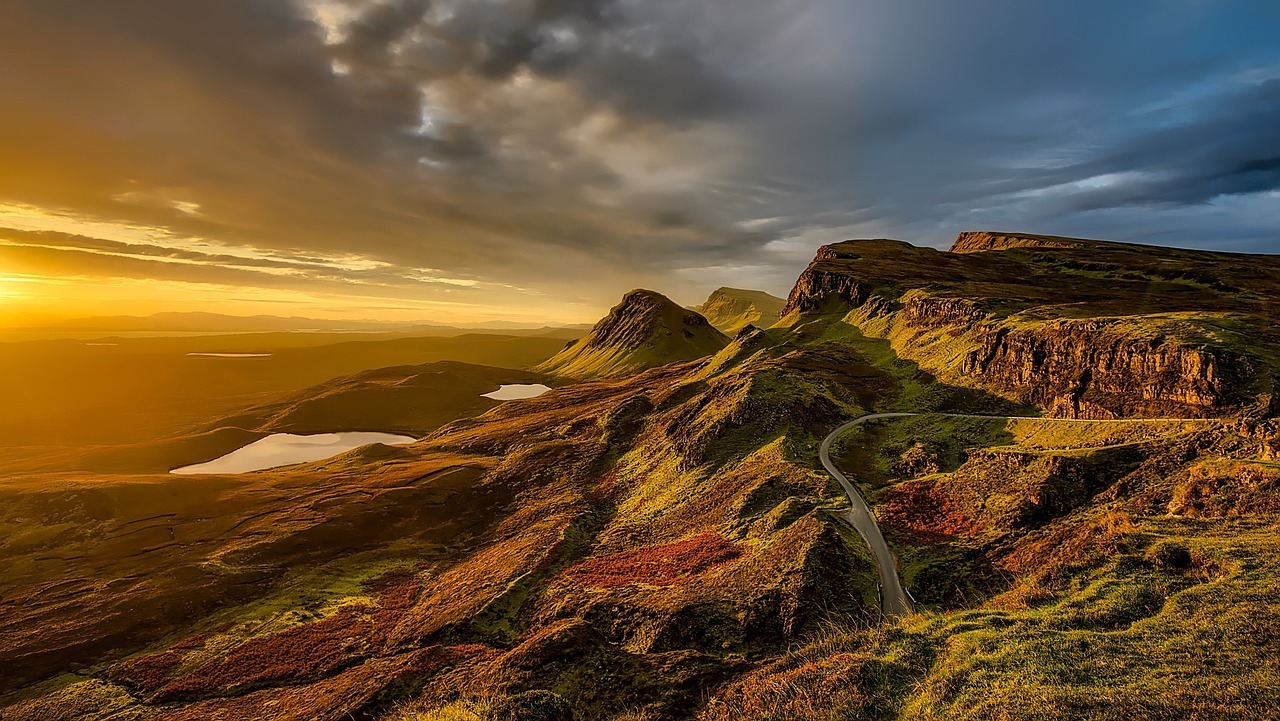
The route unfolds like a moving painting: deep lochs reflecting shifting skies, lonely glens disappearing into mist, waterfalls cutting through mountainsides and distant peaks still carrying traces of snow.
Crossing Rannoch Moor was extraordinary. Vast, open and hauntingly beautiful, the moor feels almost untouched by modern life. There is a rawness to the landscape that speaks directly to the soul.
Further north came views toward Ben Nevis, immense above the Highlands, followed by Neptune’s Staircase — the remarkable series of canal locks near Fort William.
And then, of course, the unforgettable crossing of the Glenfinnan Viaduct. Curving gracefully through the Highland landscape, it carries both cinematic fame and genuine grandeur.
By the time the train finally reached Mallaig, I understood why so many people fall in love with Scotland’s west coast.
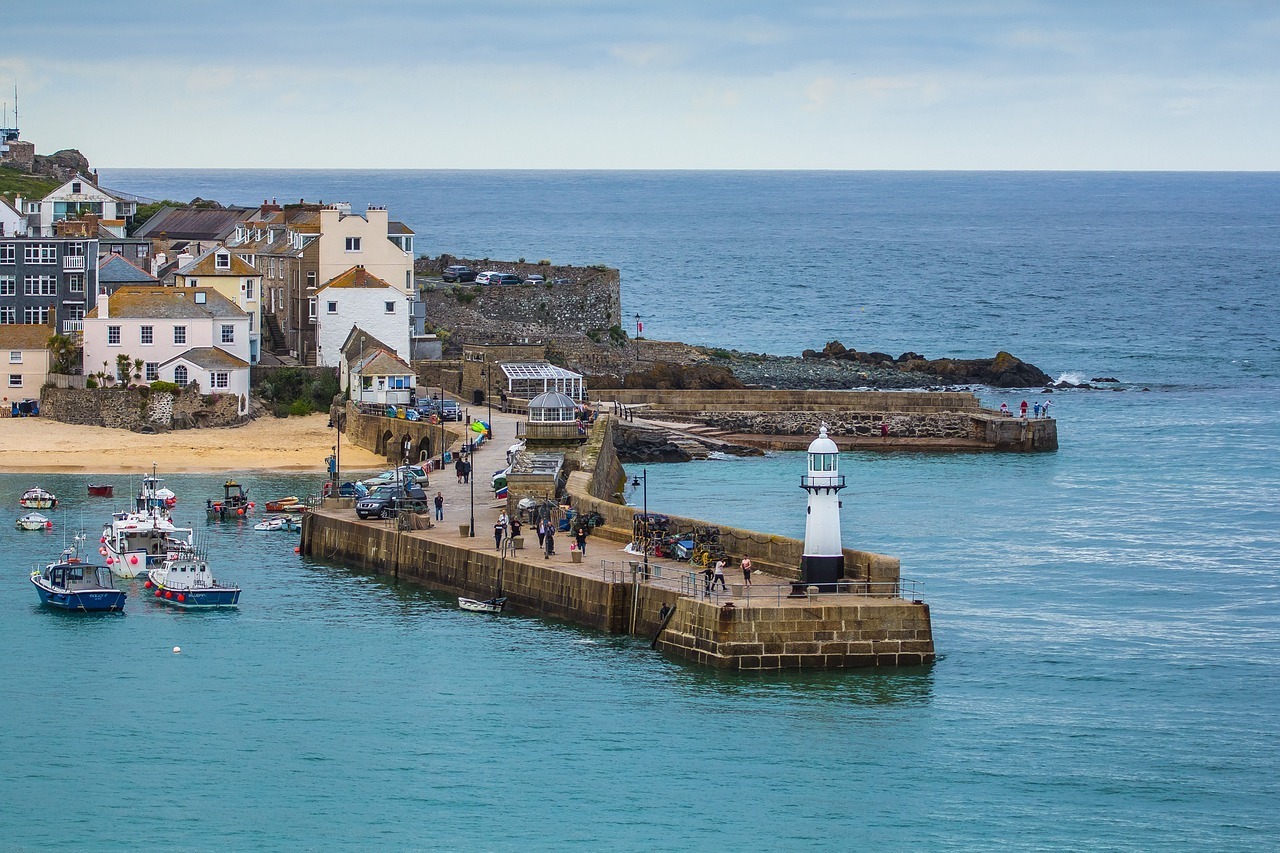
Mallaig itself is a small working fishing port filled with character. Ferries moved steadily across the water toward Skye and the Small Isles, gulls wheeled overhead, and the sea carried that unmistakable Atlantic freshness.
It feels like a gateway to the islands — and perhaps to another pace of life altogether.
North Berwick — The Feeling of Coming Home
If Mallaig stirred awe, North Berwick stirred memory.
Approaching from Edinburgh, the town took me completely by surprise. The sight of the coastline, the shape of the land, and the sudden appearance of North Berwick Law rising above the town brought an unexpectedly emotional response.
It felt almost as though I were coming home.
North Berwick possesses a rare gentleness. Elegant yet relaxed, historic yet vibrant, it balances beauty with warmth. The seafront in particular held something deeply evocative for me. Walking along the promenade with the sound of the waves and salt air drifting inland, I felt strangely connected to those who had come before me.
The presence of my ancestors felt strongest there.
The Law dominates the skyline — an ancient volcanic hill standing watch over the Firth of Forth. Climbing it offers magnificent views across the coastline toward Bass Rock, the dramatic island fortress of white cliffs crowded with thousands of gannets.
Nearby, Archerfield House and the surrounding Gullane coastline add to the quiet elegance of East Lothian. Beautiful beaches stretch for miles, framed by dunes, golf links and vast open skies.
The high street in North Berwick was another joy: independent shops, cafés and old stone buildings giving the town a sense of character often lost elsewhere. It felt lived in rather than curated for visitors.
And throughout it all was the sea.
Always the sea.
Reflections
Scotland has a way of reaching beneath the surface. The landscapes are certainly beautiful, but there is more to it than scenery.
Ancient memory seems woven into the land itself.
From the roaring waters of Killin to the lonely grandeur of Rannoch Moor and the deeply familiar shoreline of North Berwick, this journey felt less like travel and more like reconnection.
Not simply with place.
But with ancestry, memory and self.