Once the Fair Goes
The Journey So Far
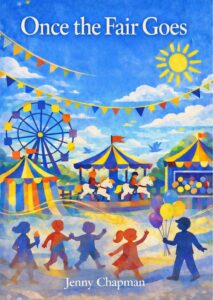
Sometimes the answer has been waiting for generations.
After years of searching outward through landscapes, cultures and experiences, the journey finally turns towards relationships, family history and the stories carried through generations.
What began as a search for meaning gradually reveals a deeper pattern. The Battle of Sedgemoor, the Bloody Assizes and the wider history of my Scottish ancestry emerge not simply as historical events, but as part of a much larger story of survival, adaptation and inheritance.
Then a new clue appears.
A name.
William.
A figure whose story begins to connect the threads running through generations. A gamble that went wrong. A betrayal by those closest to him. A single decision whose consequences echoed through a family for generations.
Finding out who William was becomes the key to understanding a pattern that had remained hidden for centuries.
Ancestors and historical figures — including Robert Campbell, 5th Laird of Glenlyon (c.1630–1696), James McAdam of Waterhead (c.1716–1770) and John Loudon McAdam (1756–1836) — come alive not merely as names in a family tree, but as people whose experiences shaped the landscapes, relationships and stories passed down through generations.
Once the Fair Goes explores the hidden threads connecting personal experience with ancestral history: how relationships, trauma, memory and adaptation may influence the lives we lead, and how understanding where we come from can change the way we see ourselves.
The final piece of the journey was not waiting somewhere in the world.
It was waiting at the beginning.